In today's interconnected world, the phrase manga read anime has become synonymous with a passionate global community that spans generations and cultures. This burgeoning interest in manga and anime goes beyond simple entertainment; it reflects a cultural exchange that introduces Western audiences to Japanese storytelling, art, and cultural nuances. As more people discover the rich narratives, vivid art styles, and complex characters, manga read anime has transformed from niche hobbies into mainstream phenomena, influencing fashion, music, and even film industries worldwide. This article delves into the multifaceted universe of manga and anime, exploring how they have captured the hearts of millions and why they continue to thrive as a cultural movement.
Whether you are a seasoned otaku or a curious newcomer, understanding the roots and evolving trends of manga read anime is essential to appreciating its significance today. From where to access these captivating stories legally to how they influence Western pop culture, this comprehensive guide aims to illuminate the enduring appeal of this vibrant media landscape. Join us as we explore the rising popularity and global impact of manga and anime — a true testament to storytelling's power to unite people across borders.
The Growing Popularity of Manga and Anime: A Global Phenomenon
The meteoric rise of manga and anime can be traced back to their origins in Japan, but their current popularity extends far beyond Japanese borders. Over the past two decades, streaming platforms, social media, and dedicated fan communities have accelerated this growth exponentially. As the world becomes more digitally connected, manga and anime have become accessible at the click of a button, allowing fans from every corner of the globe to immerse themselves in this captivating world. This widespread accessibility fuels a cultural exchange that bridges language barriers and introduces diverse audiences to stories rooted in Japanese traditions and modern developments alike.
What’s fascinating is how manga and anime have gained a reputation for their unique storytelling techniques, relatable themes, and visually stunning art styles. Themes of heroism, friendship, adversity, and love resonate universally, transcending cultural differences. Moreover, the emergence of conventions, cosplay, and fan art have turned manga read anime into a shared social experience that fosters community-building and creative expression. Influential titles like Naruto, Attack on Titan, and One Piece have solidified their place as cultural touchstones, inspiring adaptations, merchandise, and even academic discourse. This phenomenon underscores how manga and anime have become cultural exports that continue to shape perceptions of Japan while also reflecting universal human emotions.
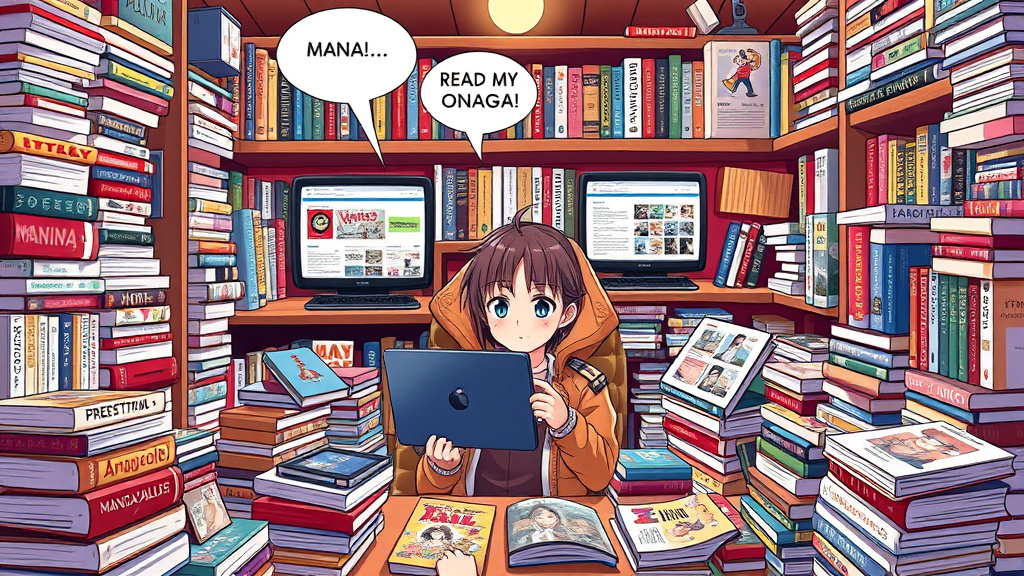 Hình minh họa: anime manga free online – manga read anime
Where to Read Manga Online: Legal and Accessible Platforms
As manga's popularity skyrockets, a plethora of online platforms have emerged, offering fans legal and accessible ways to read their favorite manga titles. Platforms like VIZ Media, Kodansha, and Shonen Jump provide extensive libraries of licensed manga, often accompanied by official translations that respect the original creators’ rights. Utilizing these reputable sources not only ensures high-quality reading experiences but also supports the artists and publishers who invest time and resources into producing engaging content. Many platforms also provide subscription models that give access to hundreds of series for a reasonable monthly fee, making manga more affordable and sustainable for avid readers.
Beyond the obvious benefit of supporting the industry, these legal platforms often include additional features like chapter previews, reader customization, and discussion forums that enrich the manga reading experience. Moreover, some websites like Manga Plus and Crunchyroll offer free chapters or limited access, democratizing the ability to discover new series without financial barriers. While unofficial scanlation sites may seem tempting due to free content, they raise ethical concerns and can sometimes compromise device security. Therefore, embracing legit platforms is essential for fostering a healthy manga ecosystem, promoting creators' rights, and expanding the cultural reach of manga and anime.
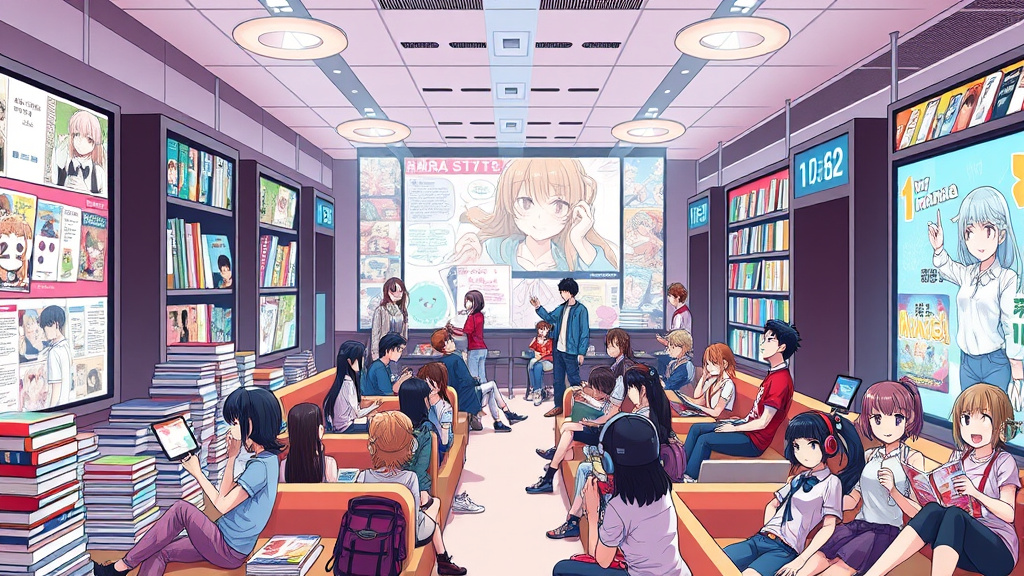
Anime Streaming Services: A Comprehensive Guide for Enthusiasts
The rise of dedicated anime streaming services has revolutionized how fans consume anime content worldwide. Platforms such as Crunchyroll, Funimation, Netflix, and HiDive offer extensive catalogs ranging from classic series to the latest releases, often with options for multiple languages and subtitles. These services have created an ecosystem where fans can discover anime seamlessly, often alongside manga and related merchandise. With features like personalized recommendations, offline viewing, and community discussion spaces, streaming services provide a comprehensive experience catering to the diverse needs of anime aficionados.
Furthermore, many of these platforms invest heavily in simulcasting — broadcasting episodes shortly after they air in Japan — which satisfies the desire for immediate access and reduces piracy issues. They also produce exclusive content and original series that help attract new viewers and retain existing fans. As the anime industry continues to grow, the availability of legal streaming options ensures that enthusiasts can enjoy high-quality, legitimate content without risking piracy or supporting unethical practices. These services will undoubtedly play a crucial role in shaping the future landscape of anime consumption and fan engagement.
Manga versus Anime: Exploring the Differences and Similarities
Although manga and anime are often seen as two sides of the same coin, each medium offers distinct experiences that appeal to different preferences and sensibilities. Manga, as the original source material, boasts detailed artwork, nuanced storytelling, and the flexibility for readers to pace themselves and interpret visuals at their own speed. It serves as a canvas for creative expression, often pushing boundaries in art and narrative complexity. On the other hand, anime utilizes animation and sound to bring stories to life, adding voice acting, music, and motion to amplify emotional impact and immersion.
Despite their differences, manga and anime often share core themes and characters, creating a symbiotic relationship where success in one can lead to adaptations or new audiences in the other. Notably, some fans prefer manga for its artistic detail and contemplative pace, while others favor anime for its dynamic motion and performance elements. Understanding the strengths and limitations of each medium enriches the appreciation of the storytelling craft. Connoisseurs often enjoy both, valuing how they complement each other in creating a holistic entertainment experience rooted in compelling narratives and artistic innovation.
The Best Manga to Read for Beginners: A Curated List
Starting a manga reading journey can be overwhelming given the sheer volume of titles, but some stories serve as excellent gateways for newcomers. Series like My Hero Academia, Death Note, and Fullmetal Alchemist offer compelling plots, relatable characters, and approachable art styles that can hook beginners. These titles balance action, suspense, humor, and meaningful themes, showcasing the diversity of manga storytelling without requiring prior familiarity with Japanese culture. They are also widely available on major platforms, making access straightforward for new fans.
Beyond mainstream hits, lesser-known but equally engaging series like Akira or One-Punch Man provide alternative introductions, highlighting different genres and artistic styles. Manga’s versatility ensures there's something for everyone — whether it's shonen, seinen, shojo, or josei. For beginners, the key is to pick titles that resonate personally, spark curiosity, and offer a window into the artistic richness of manga storytelling. Developing a habit of exploring different genres and artists will deepen appreciation and help establish a lifelong manga reading habit.
Anime Adaptations of Manga: Successes and Failures
Transitioning from page to screen is a complex process that can either elevate a beloved manga or significantly diminish its essence. Successful anime adaptations like Attack on Titan or One Piece have expanded their source material’s reach, attracting new fans and creating iconic moments in pop culture. These adaptations often introduce high-quality animation, voice acting, and music, enhancing emotional engagement and broadening storytelling possibilities. However, some adaptations have faced criticism for deviating from their manga roots, condensing storylines, or compromising character depth, leading to divisiveness within fandoms.
Failures in adaptation often stem from the pressure to meet deadlines, budget limitations, or the challenge of capturing the manga's nuanced art and pacing within a limited episode count. When done well, anime adaptations can become celebrated works themselves, demonstrating the power of visual storytelling and sound design. Conversely, poorly executed adaptations risk alienating fans and tarnishing the original's reputation. As the industry evolves, a balanced approach that respects the source material while leveraging animation’s strengths will be key to long-term success.
The Influence of Manga and Anime on Western Culture
The influence of manga and anime on Western culture has grown dramatically over the past decades, permeating fashion, music, art, and even academia. In streetwear, brands like Supreme and Off-White incorporate manga-inspired graphics, reflecting Japanese pop aesthetics. Musicians, from indie artists to mainstream pop stars, often draw inspiration from anime themes and visual motifs, creating tracks and music videos that resonate with fans worldwide. This cultural cross-pollination fosters a shared language of style and storytelling that transcends national borders.
Academically, manga and anime are increasingly studied for their artistic and cultural significance, offering insights into Japanese society and values. International conventions, cosplay communities, and fan translations exemplify how passionate fans adopt and adapt these media, creating vibrant local cultures rooted in appreciation and creativity. The influence extends into film and television, with Hollywood embracing manga and anime properties, reimagining them for global audiences. These dynamics illustrate how manga read anime have become pivotal elements of contemporary global cultural identity, shaping perceptions and inspiring new generations of creators.
Understanding Manga Art Styles and Narrative Techniques
Manga art styles are incredibly diverse, ranging from highly detailed realism to minimalist, abstract forms. Artists employ various techniques such as dramatic line work, expressive character design, and creative panel layouts to evoke mood and emphasize storytelling. The art style often reflects the genre or tone of the series, with shonen titles featuring bold lines and dynamic action sequences, while shojo manga tend to focus on delicate lines and emotional expressions. This visual variety allows manga to convey complex themes across different artistic aesthetics, offering a rich visual language that complements narrative depth.
Narrative techniques in manga also differ significantly from Western comics, often featuring internal monologues, extensive use of symbolism, and unconventional storytelling structures. Flashbacks, multiple perspectives, and visual metaphors deepen character development and theme exploration. Reading manga actively involves deciphering visual cues and pacing, which encourages engagement and interpretation. Appreciating these styles and techniques enhances one's understanding of manga's storytelling genius, fostering a deeper connection to the art form and its cultural origins.
Must-Read Manga Series Recommended by Anime Fans
Certain manga series are frequently recommended within the anime community for their storytelling, art quality, and cultural impact. Titles like Hunter x Hunter, Vagabond, and Tokyo Ghoul are celebrated for their mature themes and complex characters. These series push boundaries, exploring human nature, morality, and existential questions, making them captivating reads for those interested in more profound narratives. They also showcase exceptional artwork, blending traditional and modern techniques that highlight manga as an art form.
For readers seeking lighter, yet equally compelling experiences, titles like Yotsuba&! or My Youth Romantic Comedy Is Wrong, As I Expected offer humor, romance, and slice-of-life insights that resonate on a personal level. These series demonstrate the broad spectrum of manga genres and styles, encouraging new readers to explore beyond mainstream titles. Recommendations from dedicated fans often serve as gateways to discovering hidden gems, deepening appreciation for manga's cultural richness and storytelling innovation.
The Future of Manga and Anime: Trends and Predictions
Looking ahead, the future of manga and anime appears vibrant, with technological advancements and changing consumer habits shaping industry trends. Virtual reality (VR) and augmented reality (AR) are poised to create immersive storytelling experiences that bring manga worlds and anime to life in unprecedented ways. Additionally, the rise of AI-driven translation tools may make accessing manga and anime in multiple languages faster and more accurate, broadening global reach even further. The integration of interactive content, such as choose-your-adventure manga, is also gaining momentum, offering fans personalized experiences.
Industry predictions suggest a continued diversification of genres, catering to ever-expanding tastes and demographics. As more Western creators incorporate manga-inspired aesthetics and storytelling, hybrid genres will emerge, blending East and West styles. Moreover, streaming platforms will likely dominate distribution, facilitating rapid global dissemination while fostering localized content. With these developments, manga and anime will not only maintain their popularity but will evolve into more innovative forms of entertainment, reflecting technological progress and cultural exchange in the digital age.
Conclusion
The phenomenon of manga read anime encapsulates a dynamic cultural movement rooted in compelling storytelling, distinctive art styles, and a passionate global community. From the ways fans access and engage with manga and anime legally online to their profound influence on Western pop culture, these media continue to break down cultural barriers and inspire creativity worldwide. As industry trends point toward new technological innovations and diverse narratives, the future promises even more immersive and inclusive experiences for fans and newcomers alike. Ultimately, manga and anime are not just entertainment—they are powerful tools for cultural exchange and artistic expression that will shape the global cultural landscape for years to come.